Food Packaging for Catering
The Grocery Delivery Evolution: The Rise of Digital Food Packaging Innovations
The grocery delivery revolution has dramatically reshaped how consumers access food. This transformation has accelerated developments in e-commerce food packaging methods, responding to evolving demands for practicality and environmental responsibility. As organizations work to optimize their processes, they simultaneously face difficulties surrounding product integrity and distribution. The rising priority placed on environmentally conscious choices prompts discussions regarding how packaging will evolve in this rapidly changing sector. How are industry leaders balancing these conflicting objectives?
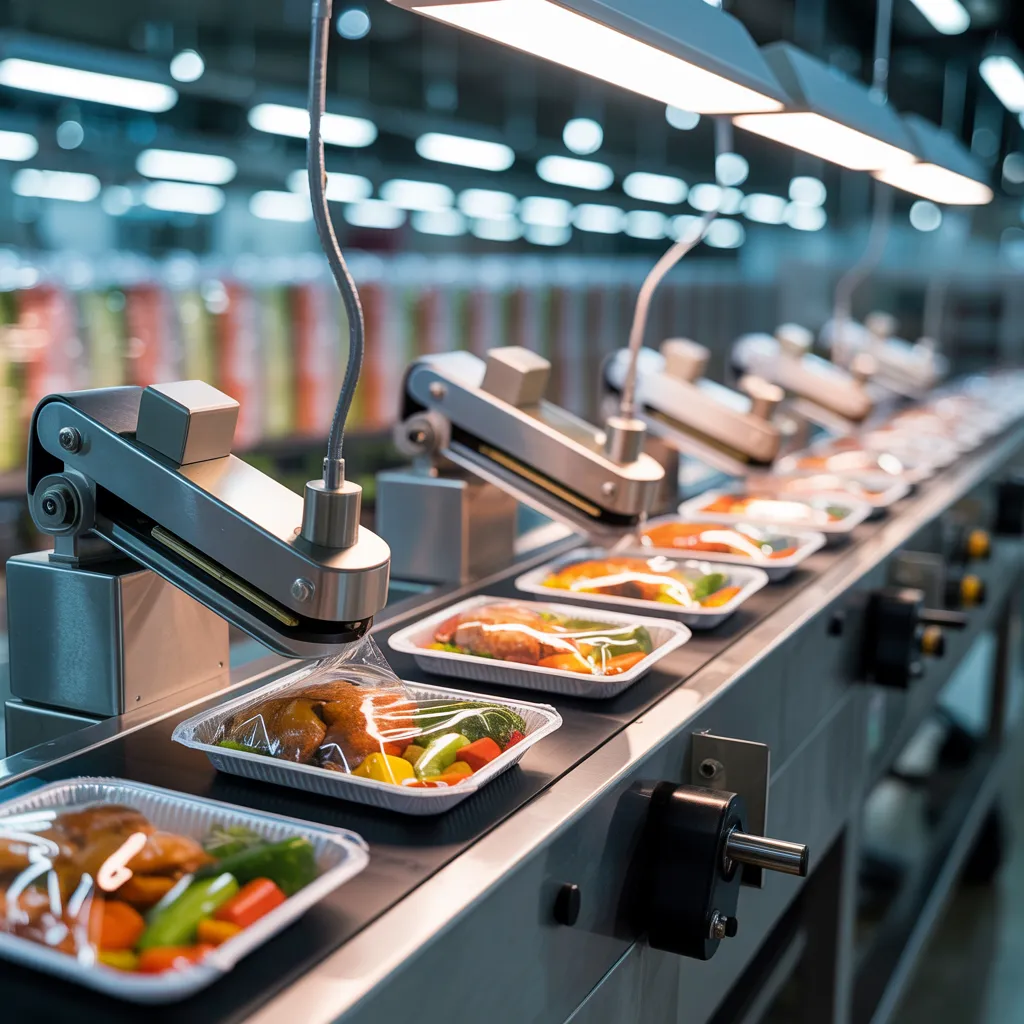
How Grocery Delivery Services Have Adapted to Fulfill Consumer Demands
As more consumers prioritize convenience in their day-to-day lives, grocery delivery services have evolved considerably to meet these changing demands. Once restricted to essential products, these services now offer a wide range of products, encompassing fresh produce, household necessities, and specialty products. The integration of technology has transformed the shopping experience, allowing customers to place orders through mobile applications and websites with customized recommendations similar information informed by personal preferences and past purchases.
Additionally, the growth of subscription models has established a new level of accessibility, permitting consumers to plan regular deliveries tailored to their preferences. Numerous services now deliver real-time tracking, ensuring transparency and enhancing customer satisfaction. Moreover, partnerships with nearby farms and vendors have expanded the variety and quality of available items, drawing in health-conscious consumers. Altogether, grocery delivery services persistently innovate, striving to supply smooth and streamlined solutions that cater to the demanding lifestyles of contemporary consumers.
Key Players in Online Food Packaging Solutions
The world of online food packaging solutions is influenced by a number of prominent companies committed to enhancing the online grocery delivery experience. Companies such as Packsize and Eco-Products focus on creating sustainable packaging options that minimize waste without compromising overall product quality. Meanwhile, tech-focused organizations like Smart Packaging Solutions leverage innovative materials to guarantee product freshness and safety throughout delivery.
Major grocery chains, such as Amazon Fresh and Walmart, have also ventured into the packaging sector by designing exclusive solutions designed for their supply chain systems. These players prioritize efficiency, employing automated systems to enhance packaging workflows and minimize costs. Collaborative efforts among packaging manufacturers, supply chain providers, and grocery chains have additionally driven progress in this field.
With increasing market competition, these leading organizations are transforming packaging expectations but also fostering a more eco-friendly and streamlined grocery delivery ecosystem.
What Major Challenges Does the Grocery Delivery Industry Encounter?
Obstacles in the grocery delivery industry are varied, impacting both service providers and consumers. One significant hurdle is the logistical complexity inherent in coordinating stock levels, routing logistics, and delivery windows. Disruptions may result in consumer frustration, especially when time-sensitive products are included. Furthermore, the growing costs of fuel and manpower pressures profit margins, compelling businesses to reconsider their pricing strategies.
Furthermore, keeping products in optimal condition during shipping is a recurring concern. Poor packaging practices can cause deterioration or harm to products, which only adds to the complexity of managing customer satisfaction. The field further struggles with rivalry from established brick-and-mortar grocery stores that have evolved to incorporate delivery capabilities, contributing to a highly competitive landscape.
In conclusion, safeguarding customer data presents a significant challenge, as breaches can erode trust and loyalty. Combined, these challenges form a setting where grocery delivery companies need to adapt and innovate to keep their operations viable while meeting consumer demands.
Green Packaging Breakthroughs in Grocery Delivery
The grocery delivery market is directing more attention toward sustainable packaging innovations to combat ecological issues. By adopting sustainable materials, organizations work to lessen their use of plastic and cut down on waste. This shift not only benefits the planet but also resonates with customer preferences for more sustainable approaches.
Green Materials Application
As consumers increasingly prioritize sustainability, grocery delivery services have turned to eco-friendly materials for innovative packaging solutions. Eco-conscious biodegradable materials, such as plant-based bioplastics and recycled paper, are now widely adopted to minimize environmental impact. These green solutions not only help minimize landfill contributions but also resonate with the values of modern consumers, fostering brand loyalty. Furthermore, companies are developing reusable packaging initiatives that incentivize customers to return their packaging, strengthening their dedication to sustainable practices. Groundbreaking solutions like edible packaging and water-soluble films are also growing in popularity, demonstrating the sector's commitment to lowering its carbon footprint. By incorporating these sustainable materials, grocery delivery services are not only addressing consumer demand but also playing a vital role in building a greener future for food delivery.
Lowering the Environmental Impact of Plastic Waste
As many consumers appreciate the ease of grocery delivery services, the plastic waste generated by traditional packaging methods has sparked major environmental worries. In response, progressive organizations are championing environmentally responsible packaging options that limit plastic use. Eco-friendly materials, including plant-derived plastics and recycled paper, are emerging as effective replacement options. Furthermore, organizations are developing refillable container programs, prompting consumers to return receptacles for washing and repurposing. These initiatives not only reduce plastic waste but also foster consumer awareness about environmental impacts. By implementing green initiatives, the grocery delivery sector is working to balance convenience with sustainability. This change signifies a deepening resolve to lessen plastic's ecological burden, eventually supporting a more environmentally sound future for grocery supply chains.
The Influence of Grocery Delivery on Packaging Choices
Given the increasing popularity of grocery delivery services, businesses are reconsidering their packaging decisions to satisfy evolving consumer expectations. The movement toward greater convenience has encouraged retailers to explore advanced materials that protect products while delivering a superior user experience. Today's packaging is required to endure the challenges of transit and maintain product integrity across longer delivery times.
Sustainability has become a significant consideration, as buyers gravitate toward sustainable choices. Numerous businesses are transitioning to biodegradable or recyclable packaging, aligning their practices with environmentally conscious consumer values. Additionally, packaging concepts are being reimagined to reduce environmental impact, leveraging space-efficient designs and multipurpose packaging.
The need for clear labeling and easy-to-open designs has also gained prominence, addressing the needs of consumers who emphasize accessibility. As grocery delivery continues to expand, the relationship between shopper expectations and packaging developments will define the industry's evolving direction, underscoring the rising relevance of both practicality and sustainability in food packaging.
Emerging Trends in Grocery Delivery and Packaging Solutions
As the grocery delivery industry advances, breakthroughs in sustainable packaging are proving ever more vital. Additionally, smart delivery technologies are set to enhance efficiency and customer experience. Combined, these developments are set to transform the way consumers obtain their groceries while tackling environmental challenges.
Eco-Friendly Packaging Advancements
Eco-friendly packaging advancements are transforming the world of grocery delivery, showcasing a deepening focus on environmental stewardship. Organizations are steadily incorporating biodegradable alternatives, reducing plastic waste and enhancing recyclability. This transition encompasses the adoption of compostable bags and vessels crafted from plant-derived materials, which lower the carbon emissions connected to standard packaging approaches. Moreover, reusable container systems are growing in prominence, allowing customers to return containers for cleaning and repurposing, consequently advancing a sustainable circular economy. Breakthroughs including edible packaging and simplified designs additionally advance sustainability initiatives. As consumer awareness heightens, brands that prioritize eco-friendly packaging not only differentiate themselves in a competitive market but also appeal to a mindful customer base consistently looking for sustainable choices.
Intelligent Delivery Solutions
Innovative smart delivery technologies are transforming the grocery delivery landscape, offering improved efficiency and greater convenience for shoppers. Automated solutions, including drones and self-driving vehicles, are cutting delivery times while lowering human labor expenses. Real-time monitoring apps let consumers keep tabs on their purchases, promoting openness and reliability. Moreover, intelligent algorithms refine delivery routes by analyzing traffic trends and weather variables, securing punctual arrivals. Integration of artificial intelligence allows for personalized recommendations, enhancing the shopping experience. Furthermore, advanced packaging technologies featuring built-in sensors oversee product quality, warning shoppers of any problems before eating. As these technologies evolve, they are set to redefine the future of grocery delivery, making it faster, smarter, and more reliable.
Notable Examples of Grocery Packaging Innovations
As consumers continue to prioritize sustainability and ease of use, grocery packaging has evolved to meet these demands via a range of creative advancements. A standout example of this trend is the adoption of compostable packaging materials, which decompose naturally, minimizing waste in landfills. Businesses such as FreshDirect have embraced sustainable packaging solutions that resonate with eco-conscious shoppers.
Additionally, reusable vessels have become increasingly popular, as companies like Loop provide a return-and-reuse model, reducing single-use plastic waste. Smart packaging technologies, utilizing QR codes or NFC technology, enrich the end-user experience by offering comprehensive product details and promoting recycling practices.
Additionally, vacuum-sealed packaging extends shelf life, minimizing food waste while maintaining freshness. Brands such as Blue Apron use this approach to ship ingredients with maximum efficiency. These developments not only satisfy consumer expectations but also complement sustainability initiatives, highlighting the grocery sector's dedication to eco-friendly packaging solutions within a growing digital marketplace.
Frequently Asked Questions
What Kinds of Products Are Most Suitable for Grocery Delivery?
Perishable items like fruits, vegetables, dairy, and meats are best suited for grocery delivery. Furthermore, non-perishable items such as dry staples, frozen foods, and canned goods also perform well, providing consumers with a well-rounded selection.
How Do Grocery Delivery Companies Deal With Perishable Items?
Grocery delivery services make use of temperature-controlled environments and insulated packaging to keep perishable products fresh. They prioritize prompt delivery and often employ refrigerated vehicles to secure perfect conditions for products throughout delivery to the customer.
What Are Typical Delivery Timeframes for Grocery Orders?
Typical delivery windows for grocery purchases usually fall between one and two hours for expedited services, while standard deliveries may take up to 24 hours. Customers often select preferred time slots during checkout for convenience.
What Fees Are Associated With Grocery Delivery Services?
Yes, grocery delivery services typically come with charges like service fees, delivery charges, or minimum order requirements. These fees differ between providers and can be affected by elements such as delivery location and order size.
How Is Customer Data Used in Grocery Delivery Services?
Consumer data in food delivery platforms is leveraged to personalize shopping experiences, optimize inventory management, and strengthen marketing efforts. This data helps providers predict trends, elevate the overall customer experience, and enhance logistical efficiency across delivery operations.